Profile Image

Hi, I am Ranran Li

An Ultimate Truth-Seeker.

Support Good Science. Always on the way.

About Me

PostDoc @Max Planck Institute for the Study of Crime, Security and Law, Freiburg.

PhD @Vrije University Amsterdam. With the belief that 'Serious inquiry into human nature is not a luxury', I am inspecting how personality traits and psychological situational factors jointly shape:

  • human cognition, emotions, and behavior (e.g., prosociality, morality, delinquency).

(Personality-Social) Psychology is 'Forever Moonlight'. I also have interdisciplinary interests, including computational social science, behavioral economics, philosophy of science/meta-science, and criminology.

Updates

20.08.2026 šŸŽ‰ Ranran received the 2026 Tanaka Dissertation Award!
The award includes an invited talk and travel stipend at the Association for Research in Personality (ARP) conference.
13.08.2026 šŸŽ‰ Ranran was invited to join the Falling Walls Science Summit @Berlin Science Week (Nov 6-9, 2026)!
18.06.2026 šŸ“ ā€œThe future already exists. We are walking toward it to see it unfold.ā€
18.06.2026 šŸŽ‰ New paper accepted at Journal of Experimental Social Psychology!
15.05.2026 šŸŽ‰ New paper accepted at Zeitschrift für Psychologie!
20.12.2025 šŸ“ ā€œThe future shall be bright.ā€
11.12.2025 šŸŽ‰ New paper online at Journal of Research in Personality.
11.11.2025 šŸŽ‰ Ranran was awarded the Humboldt Postdoc Fellowship.
27.10.2025 šŸŽ“ Ranran defended her PhD!
A journey of 4.5 yrs, dissertation submitted on Valentine’s Day, signaling her love for science.

Research

Below, I organize my research Personality in Context into three strands:

01. Person–Situation Processes 02. Prosocial and Moral Behavior 03. Method Lab: Virtual Reality and beyond
01

Person–Situation Processes

How personality and situations dynamically shape one another. Work includes how people select and perceive situations, how situational affordances activate personality traits, how situational strength regulates behavioral expression, and how these processes unfold recursively across (sociocultural) context.

A Person–situation transactions

Li, R., Van Gelder, J.-L., & De Vries, R. E. Who goes where and why? A meta-analytic review of personality-driven situation selection. Manuscript in preparation.

situation selectionmeta-analysis

Li, R., & Wilt, J. A. (2025). Situated selves: A cyclical model of personality expression in context. Current Opinion in Psychology, 102104. https://doi.org/10.1016/j.copsyc.2025.102104
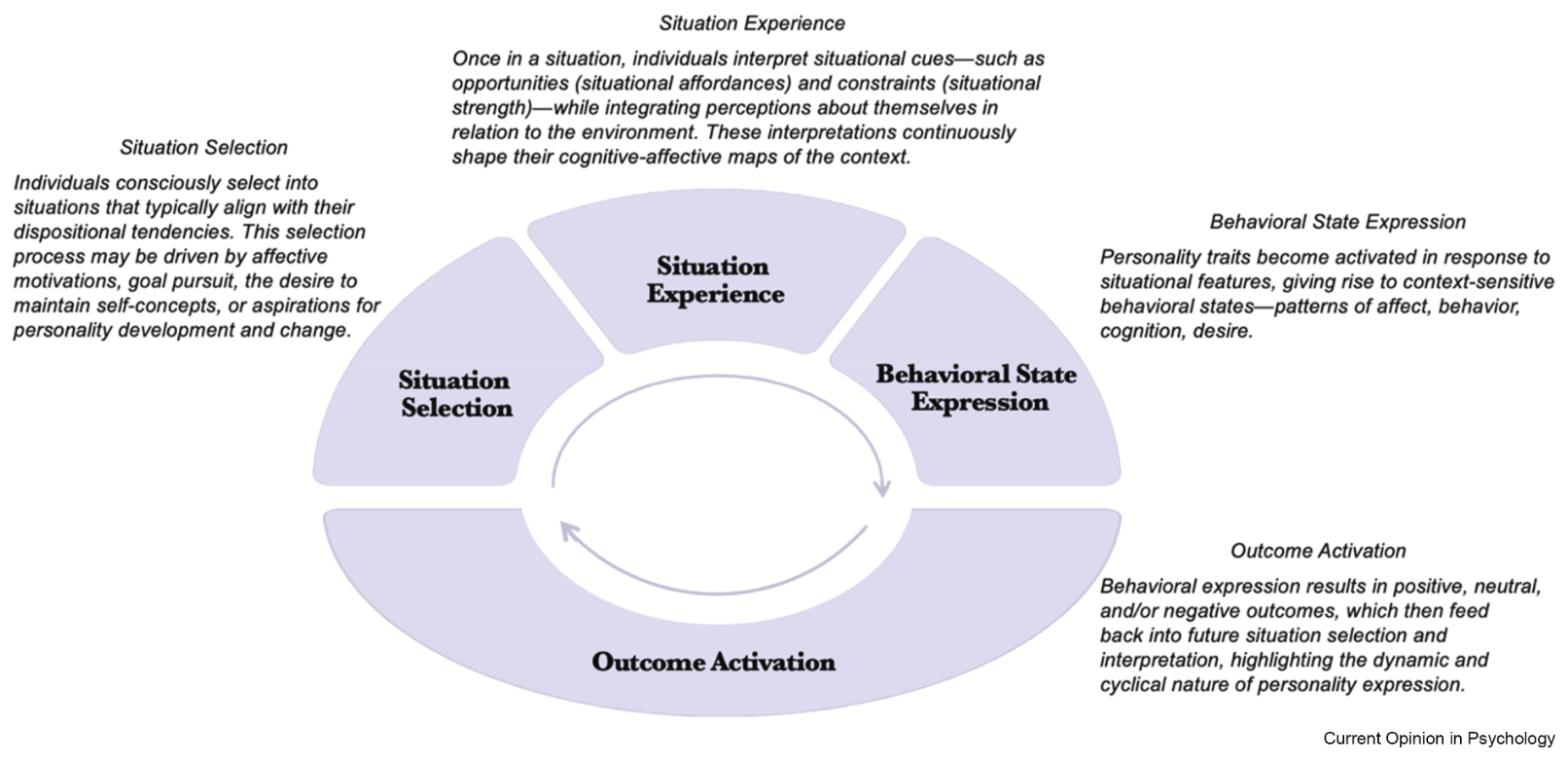
person–situation transactionsconceptual model
Cyclical model of personality expression in context

B Situational strength and trait activation

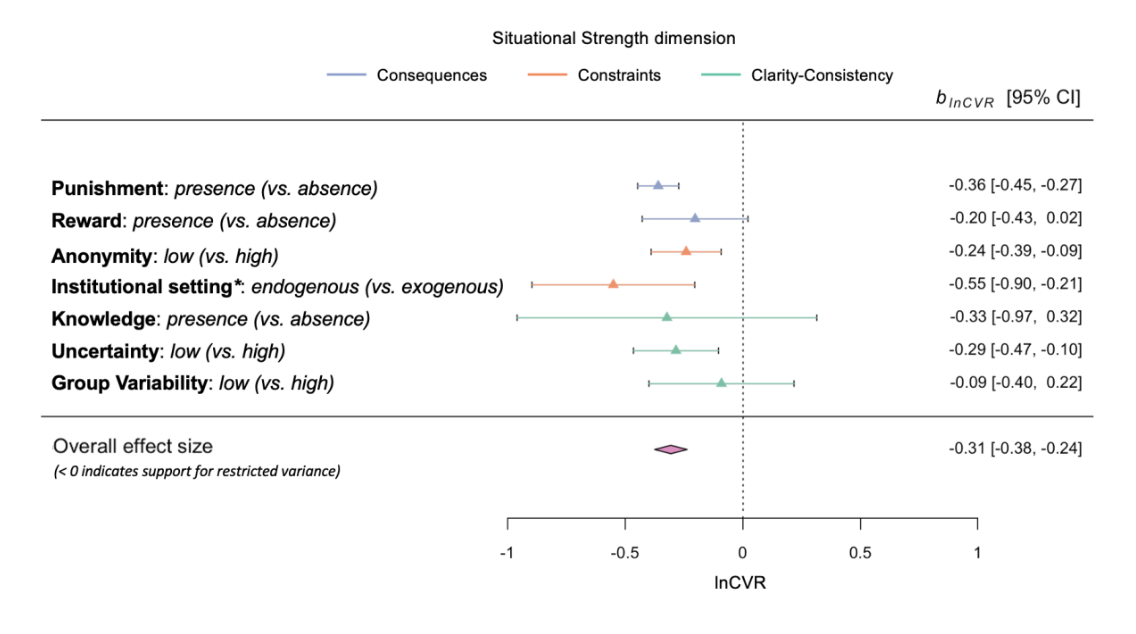
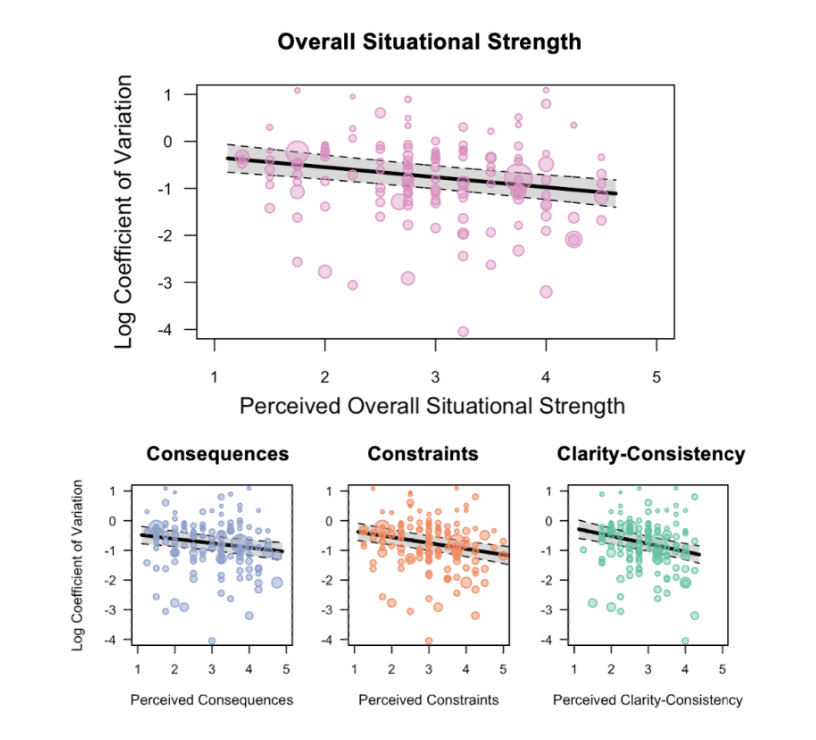
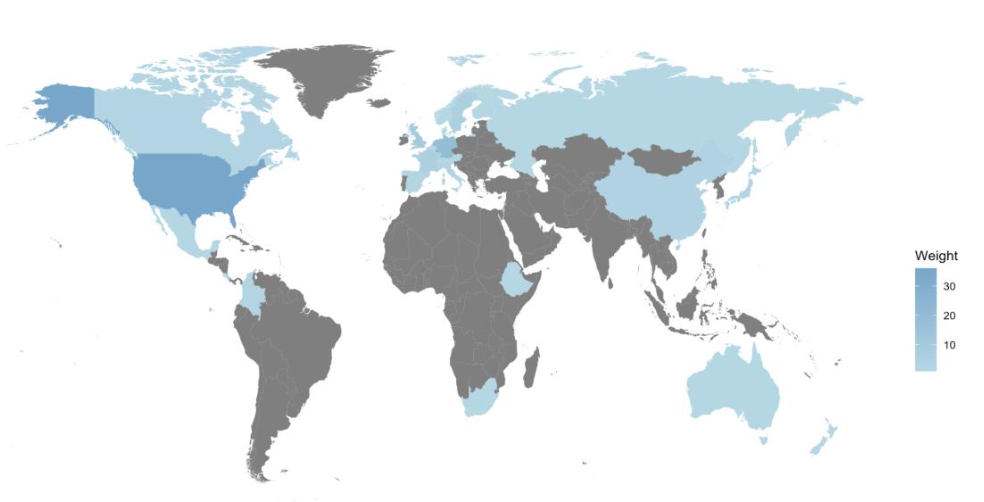
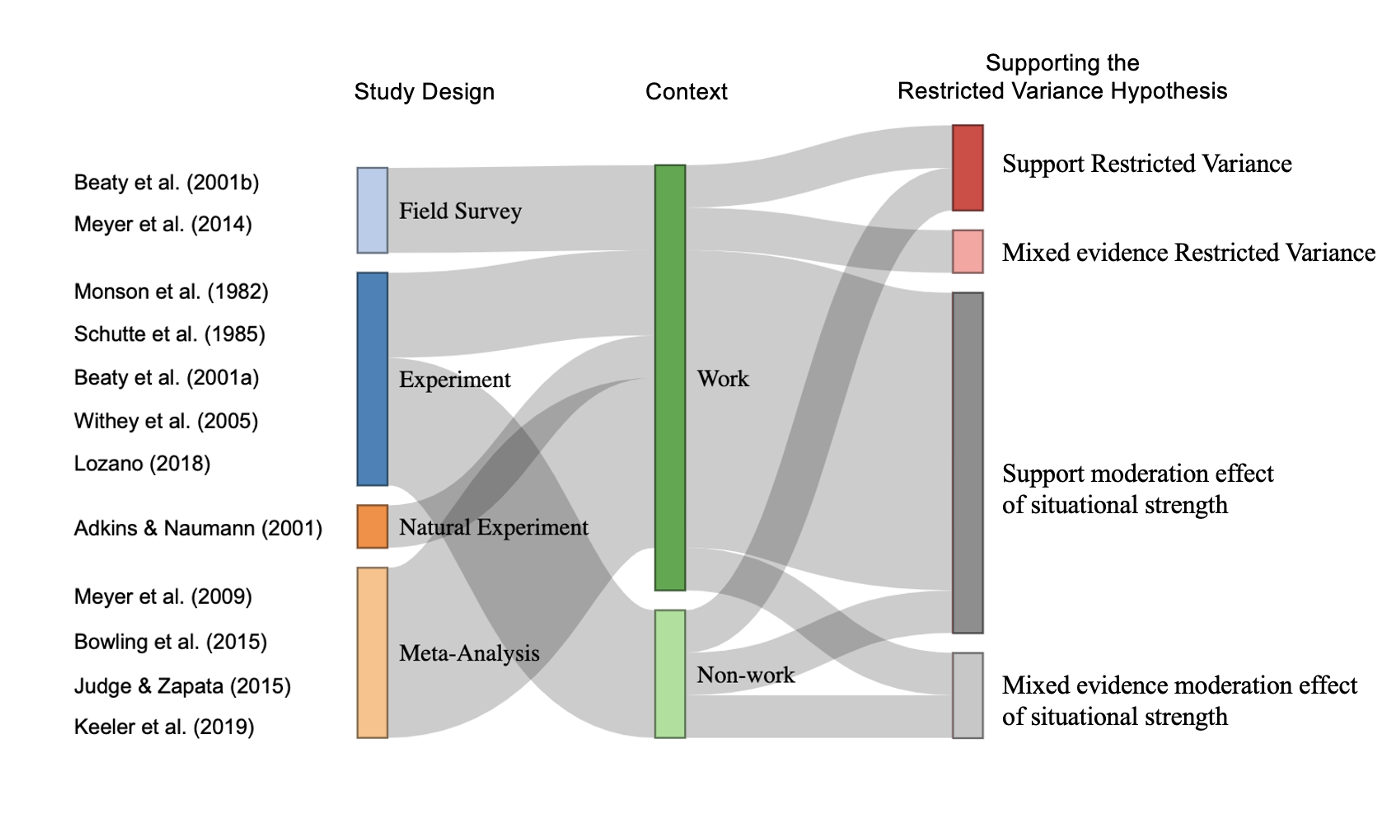
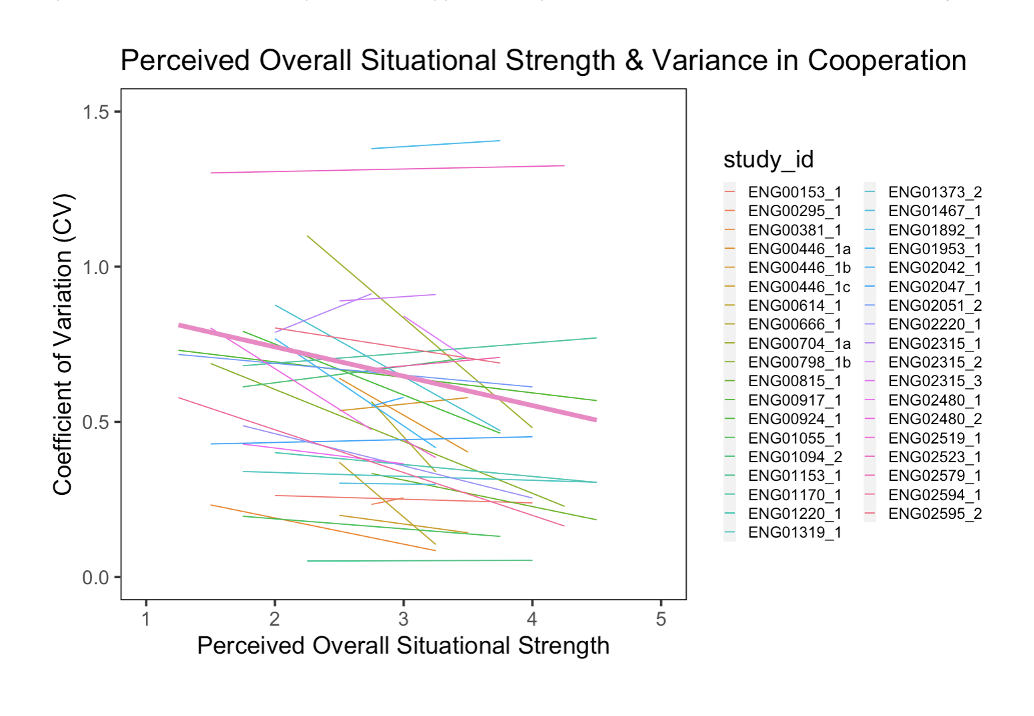
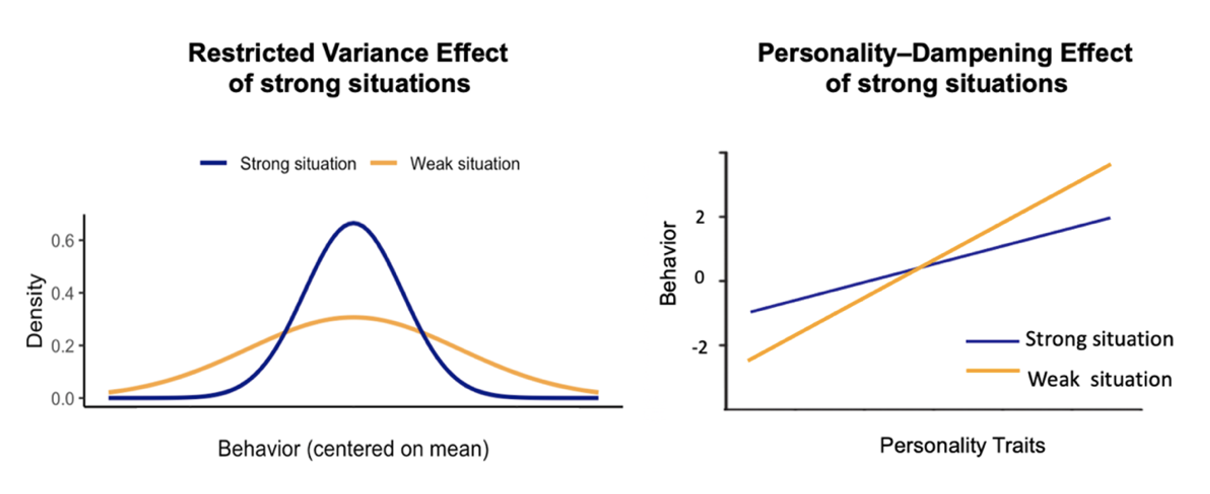
Li, R., Balliet, D., Thielmann, I., & De Vries, R. E. (2024). Revisiting situational strength: Do strong situations restrict variance in behaviors? Journal of Personality and Social Psychology. https://doi.org/10.1037/pspi0000475
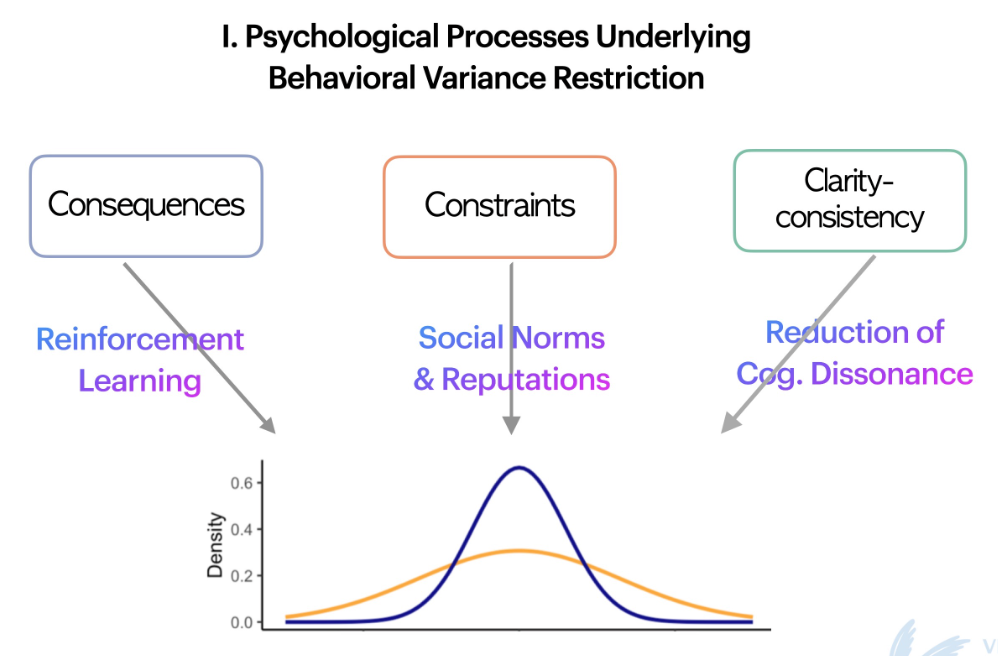
situational strengthmeta-analysiseconomic games
Psychological processes underlying behavioral variance restriction

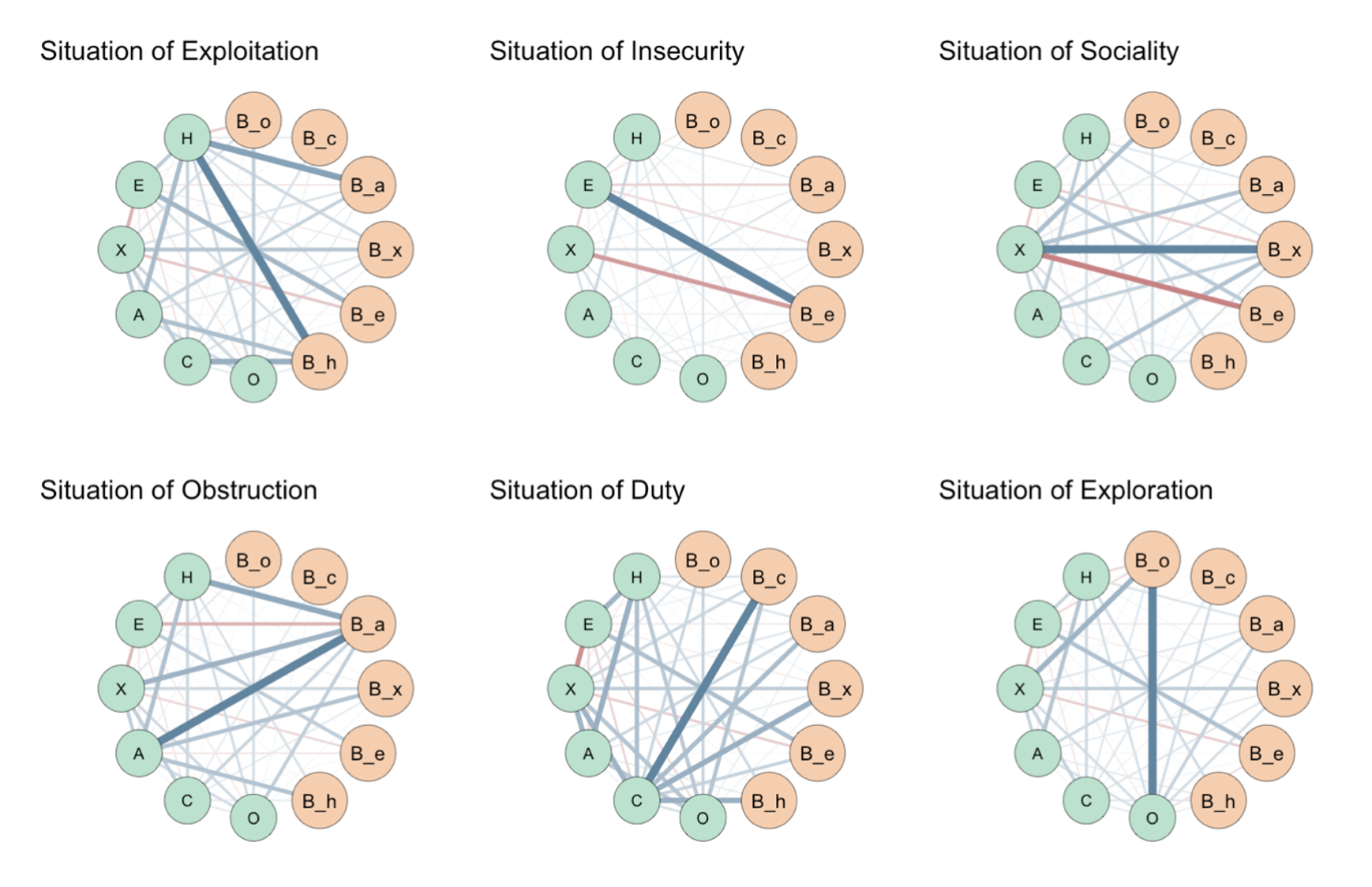
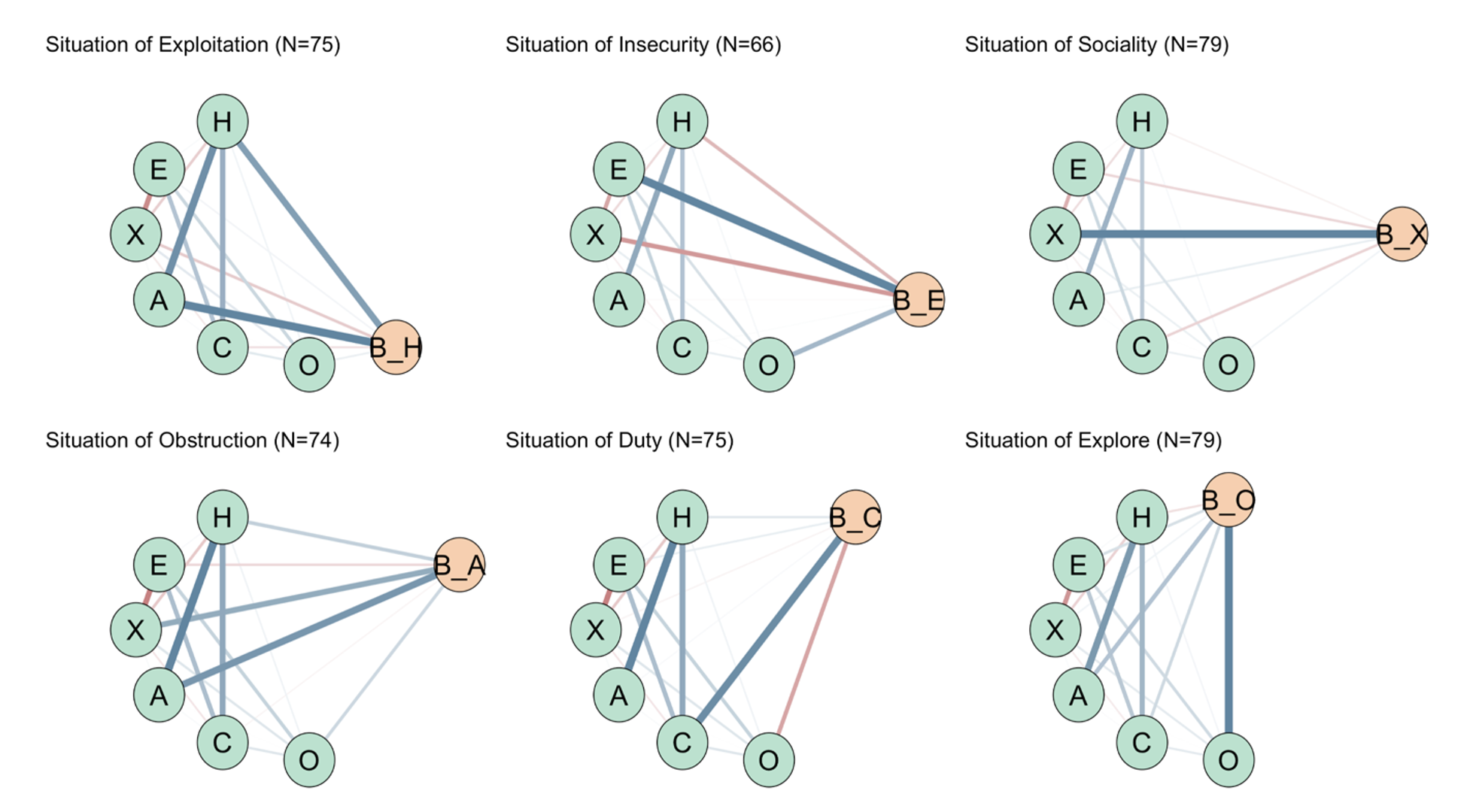
Li, R., Thielmann, I., Balliet, D., & De Vries, R. E. (2025). Trait activation in daily life: Comparing two perspectives on person–situation interactions. Journal of Research in Personality. https://doi.org/10.1016/j.jrp.2025.104689
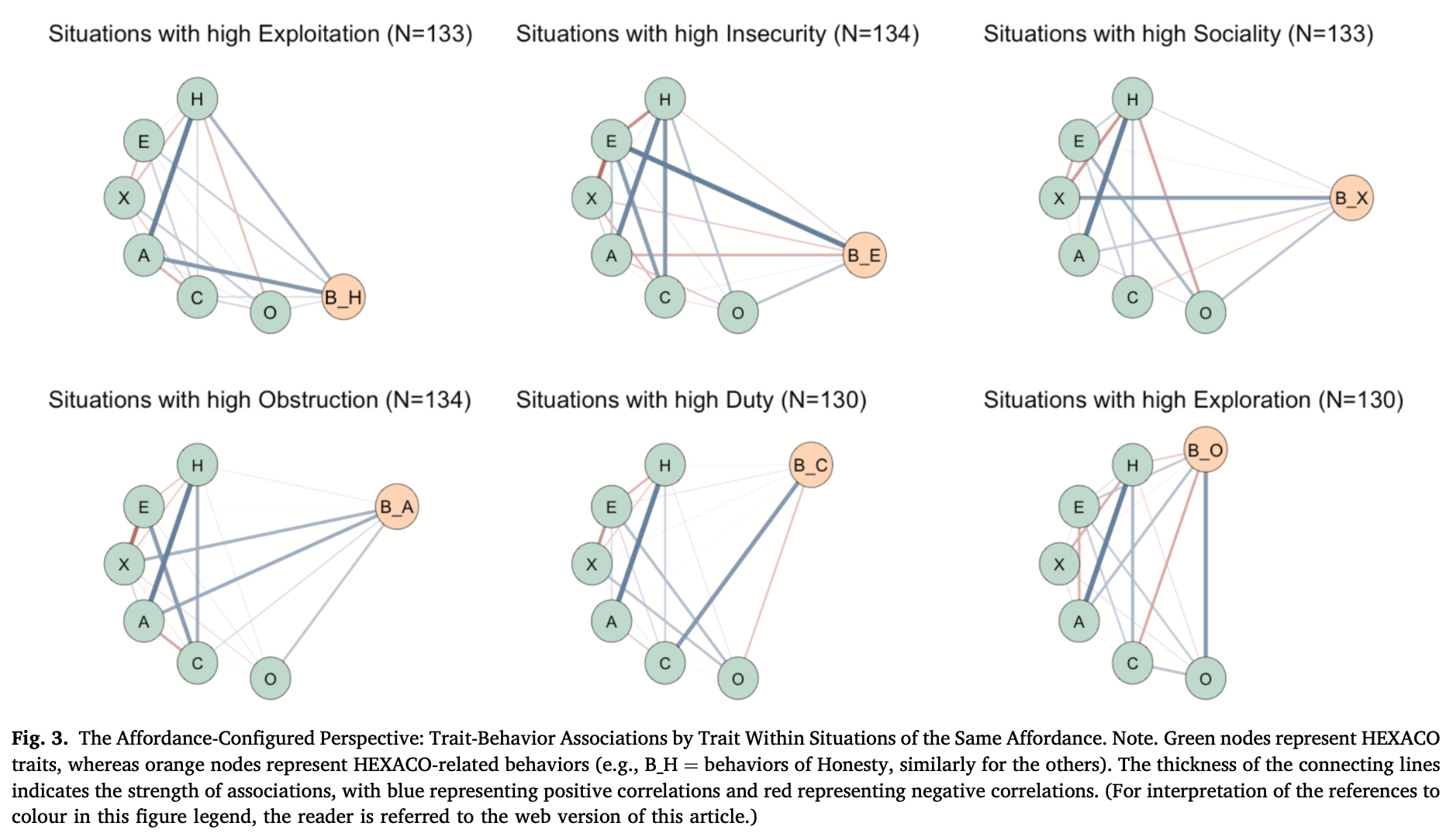
trait activationsituational affordancesdiary study
Trait activation in daily life results

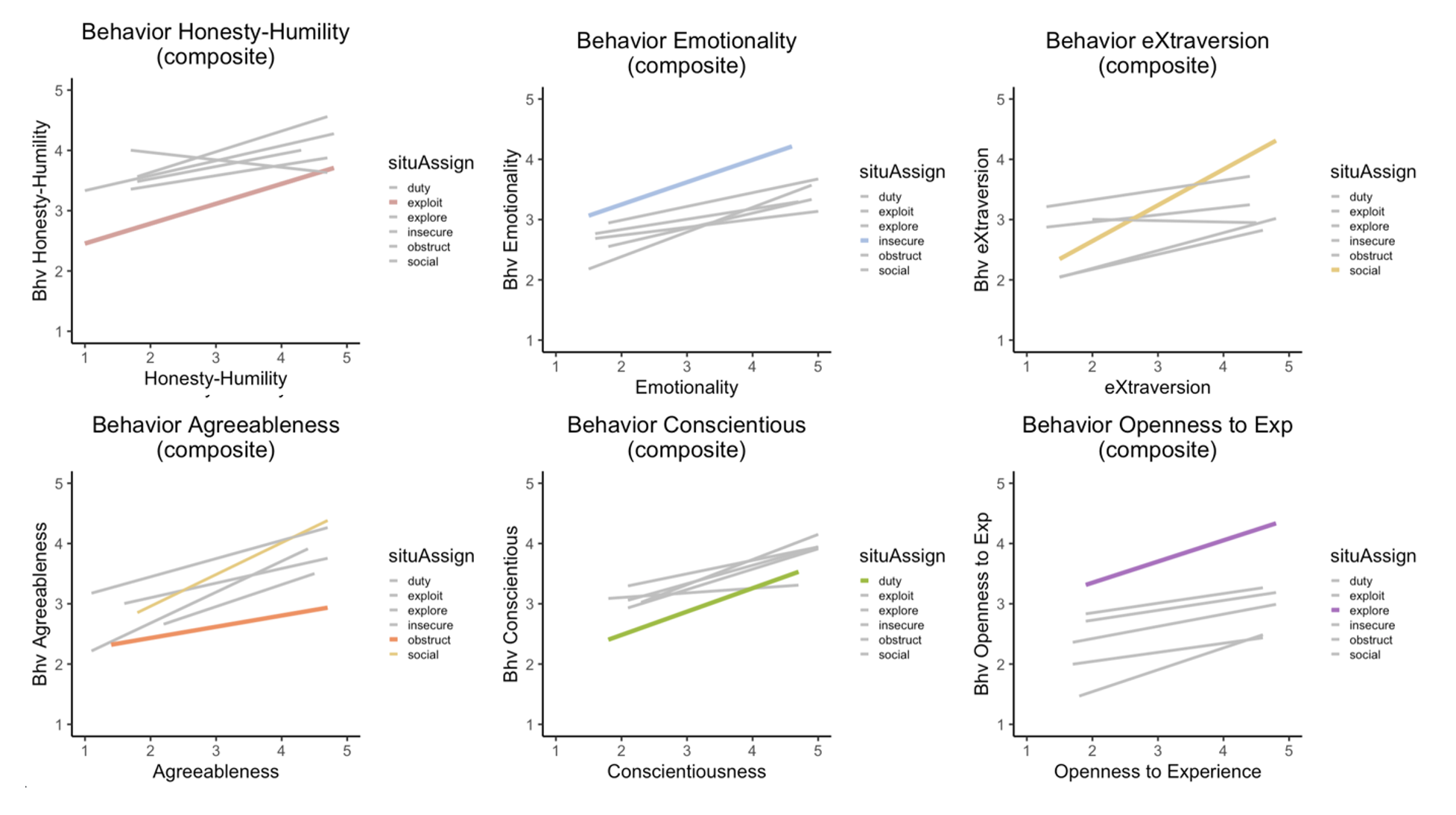
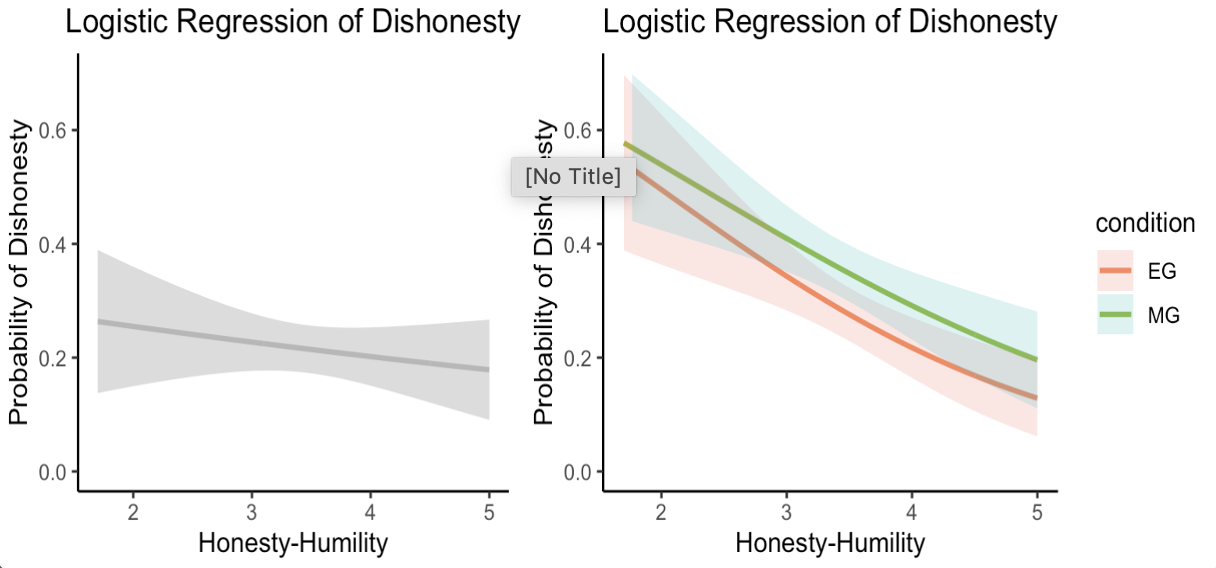
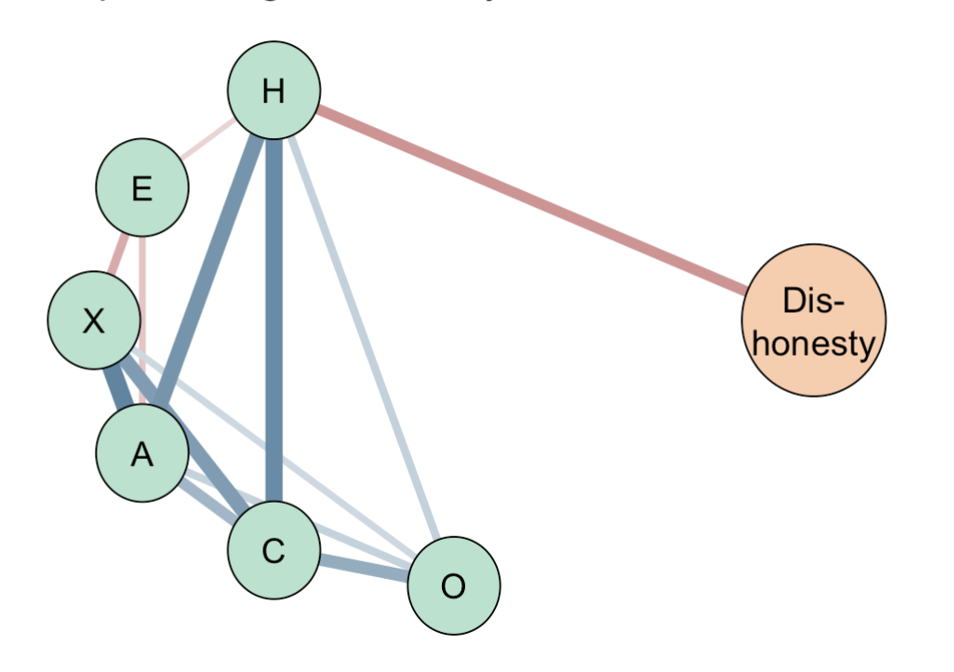
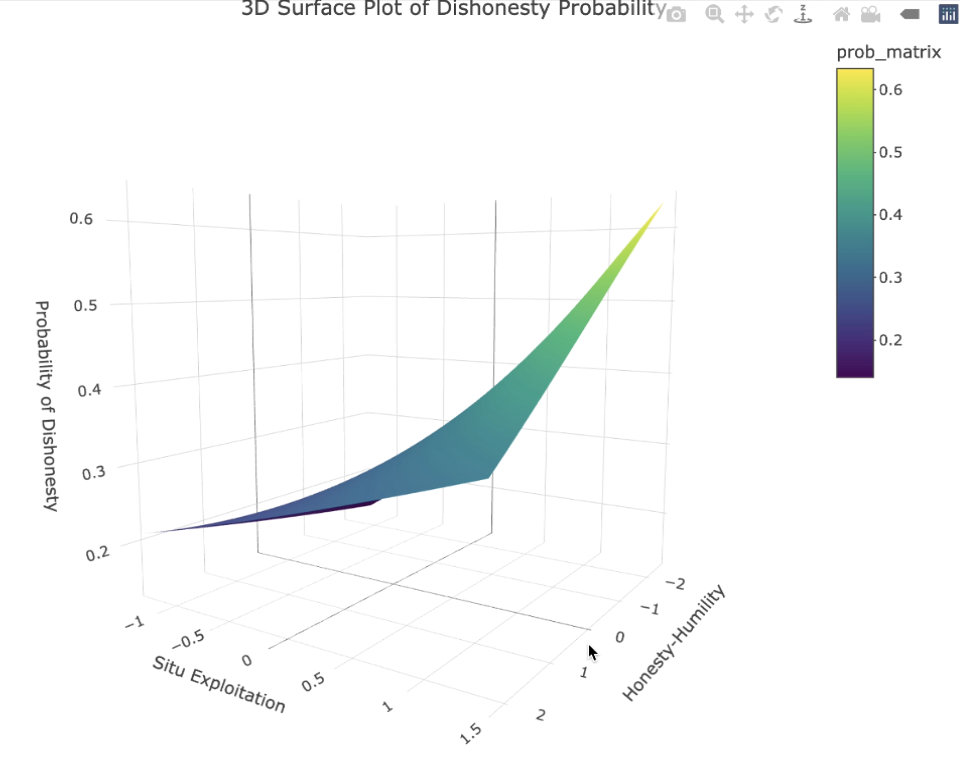
Li, R., Thielmann, I., Balliet, D., & De Vries, R. E. When dishonesty pays off: Incentives promote trait activation of Honesty–Humility. Revision submitted.

trait activationincentivesdishonesty

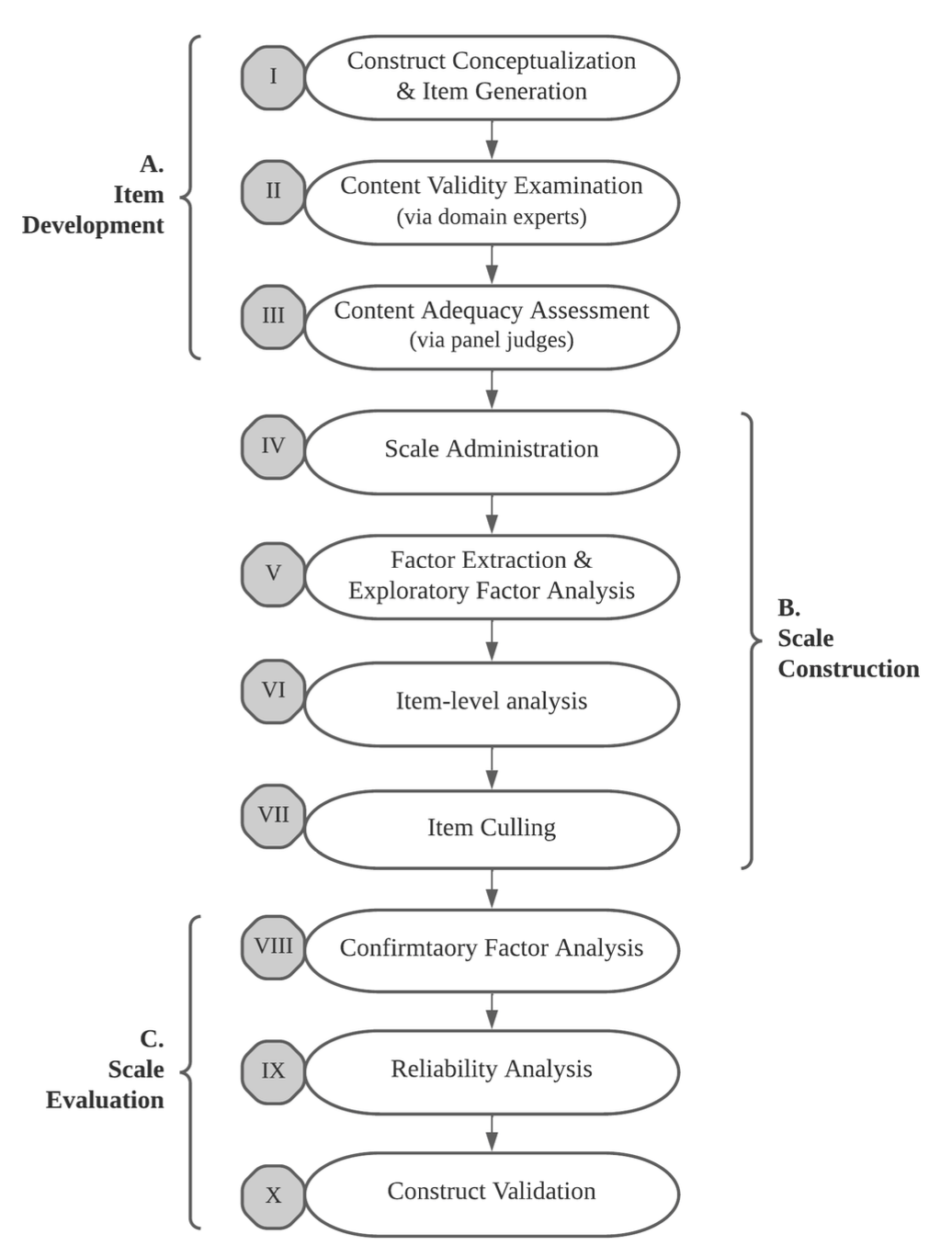
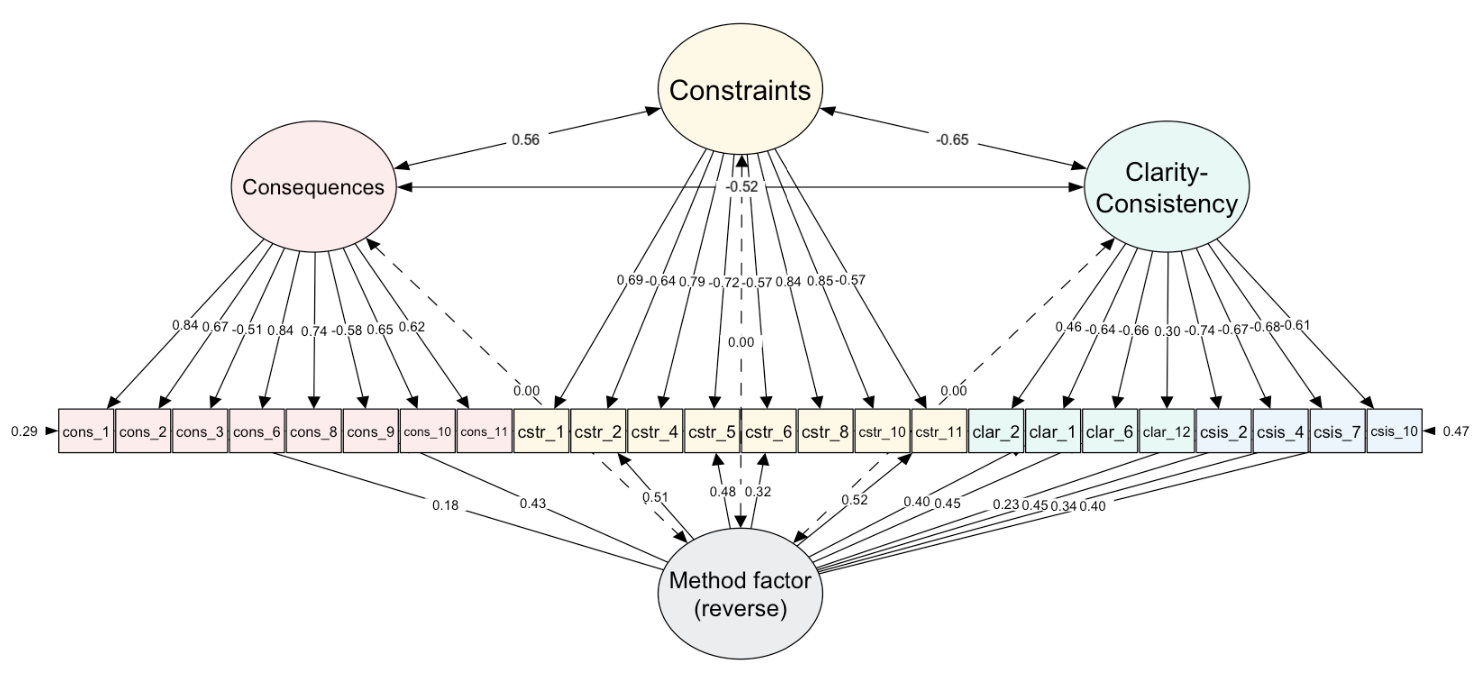
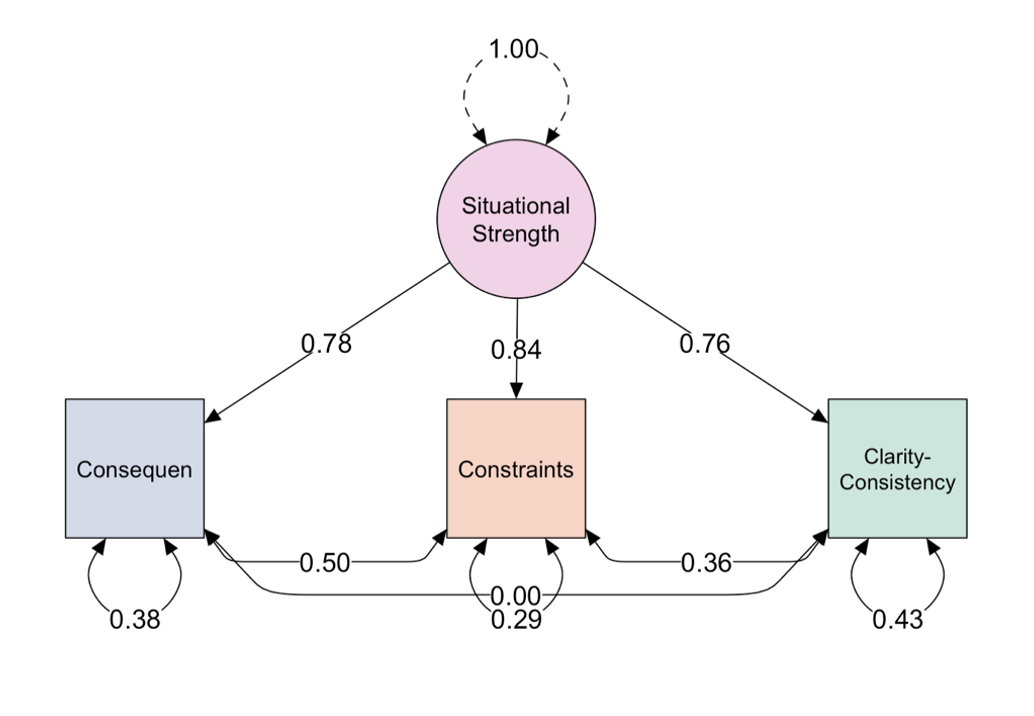
Li, R., Thielmann, I., Balliet, D., & De Vries, R. E. (2023). Development of the Generic Situational Strength Scale: Measuring situational strength across contexts. In The SAGE Handbook of Survey Development and Application. https://doi.org/10.4135/9781529617757.n35

measurementsituational strength

C Context across levels

Li, R., & Zettler, I. (2025). Entangled minds: A roadmap for bridging cultural and personality psychology research. https://doi.org/10.1177/27000710251388772
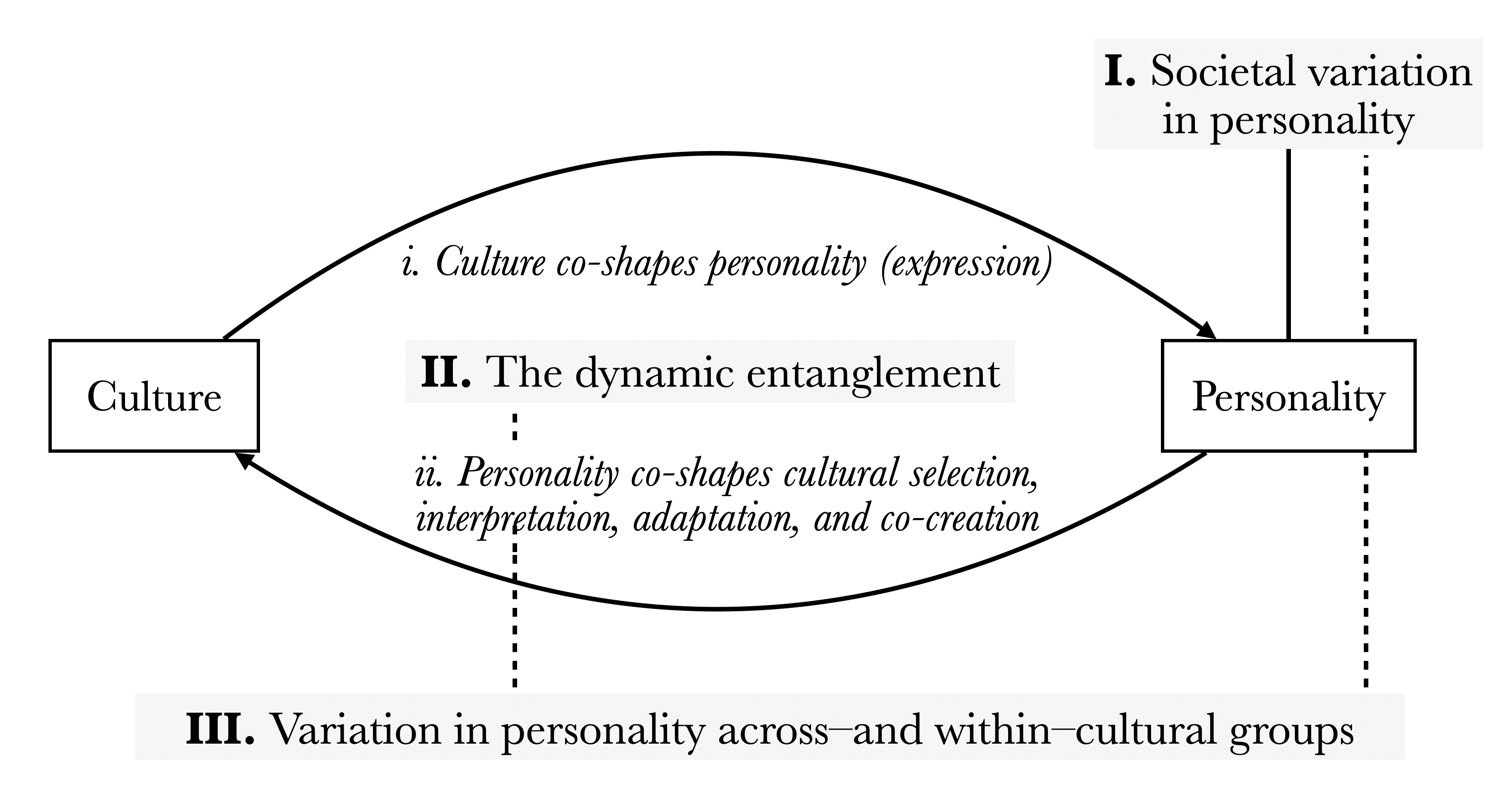
cultureperson–environment transactionsmacro-context
Roadmap bridging cultural and personality psychology

Van Gelder, J.-L., Li, R., Wiechert, S., & Frankenhuis, W. E. (2025). Short-term mindsets: Beyond traits and self-regulation. Current Opinion in Psychology, 102112. https://doi.org/10.1016/j.copsyc.2025.102112
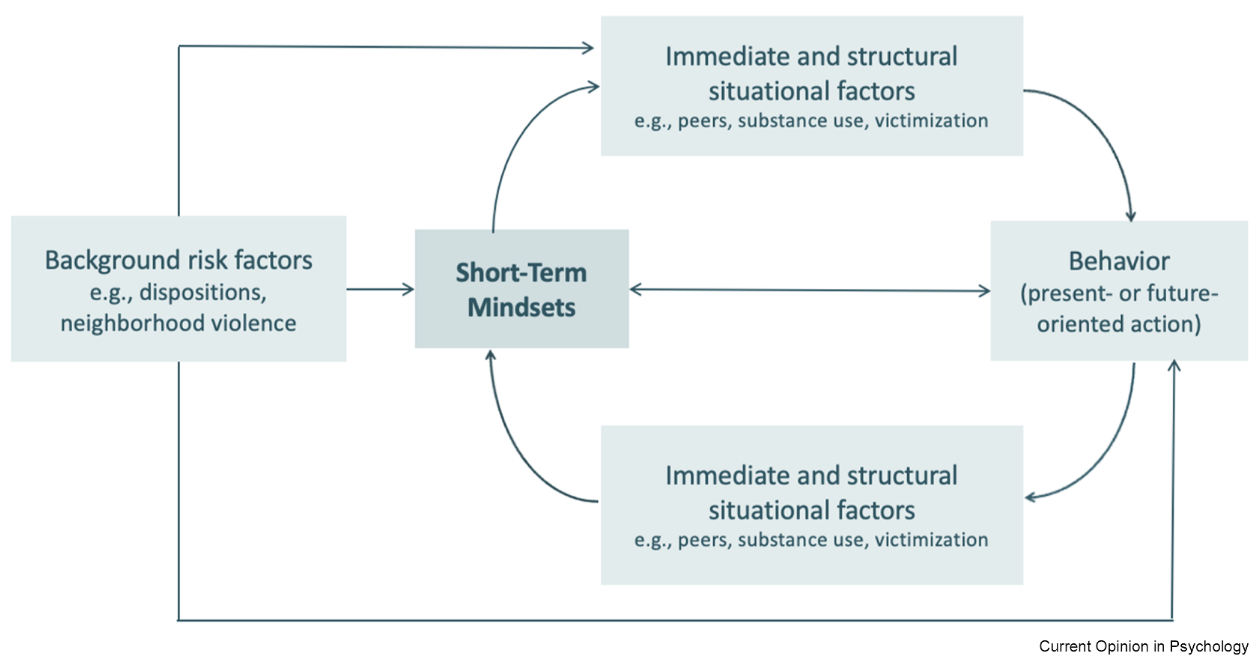
temporal orientationcontext
Short-term mindsets conceptual framework

Li, R., De Vries, R. E., & Van Gelder, J.-L. (2026). Entangled pathways to delinquency: An integrative conceptual framework of personality, situations, and macro-structures. Zeitschrift für Psychologie. https://doi.org/10.1027/2151-2604/a000629
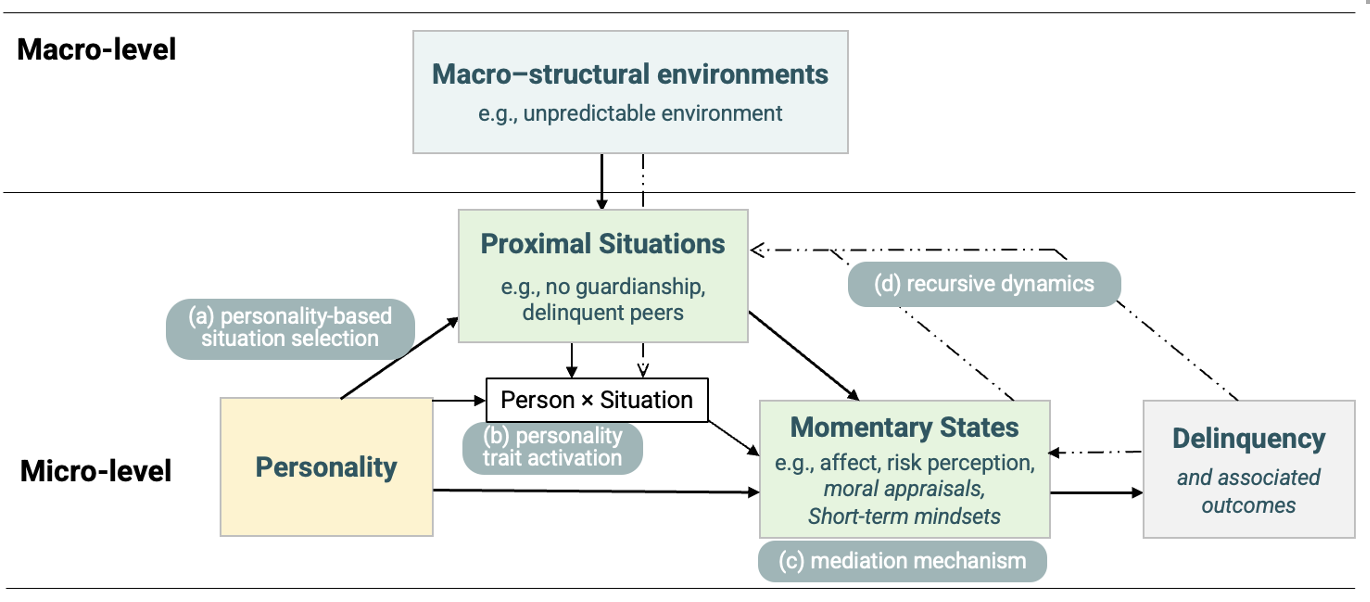
delinquencyperson–situation processesmacro-structures
Integrative framework of personality, situations, and macro-structures in delinquency
02

Prosocial and Moral Behavior

I am generally interested in prosocial and moral behavior. Recently, I began to study bystander intervention—that is, how people remain prosocial when situations make it difficult to do so—and treat it as a lens into prosociality under risk.

A Bystander intervention

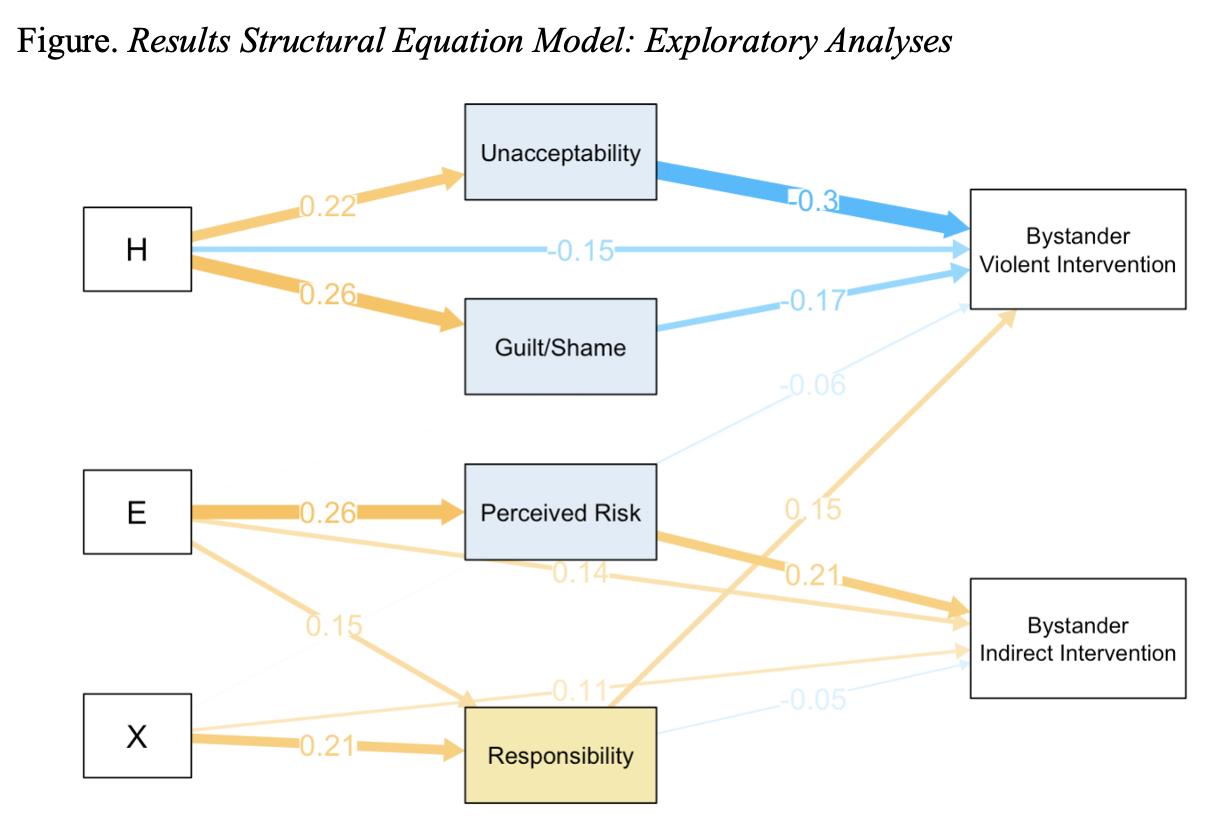
Li, R., De Vries, R. E., Barnum, T., Herman, S., Tisdall, L., & Van Gelder, J.-L. A trait–state model of reactive guardianship: Psychological pathways to bystander intervention. Manuscript in preparation.

bystander interventiontrait-state modelsVR
Trait-state model of reactive guardianship

B Conceptual integration: Prosociality under risk

He, Y., & Li, R. Prosociality under risk: A conceptual synthesis and roadmap for future research. Under review.

He, Y., & Li, R. Helping in the dark: Toward a science of prosociality under risk. Under review.

prosocialityriskconceptual integration

C Experimental research into dishonesty, emotional communications, etc.

Li, R., Thielmann, I., Balliet, D., & De Vries, R. E. When dishonesty pays off: Incentives promote trait activation of Honesty–Humility. Revision submitted.

trait activationincentivesdishonesty

Ye, Z., Long, F., Feng, R., Van Dijk, W., & Li, R. (2026). People feel but don’t tell: Dispositional honesty and emotional responses to others’ (mis)fortunes. Journal of Experimental Social Psychology, 126, 104966. https://doi.org/10.1016/j.jesp.2026.104966

Honesty-HumilityEmpathetic emotionsemotional communication

Umashev, N., Li, R., & Rusch, H. Agent incentives: How agents trade off incentives and exploitation risk in principal selection. Manuscript in preparation.

incentivesexploitation riskprincipal selection
03

Method Lab: Virtual Reality and beyond

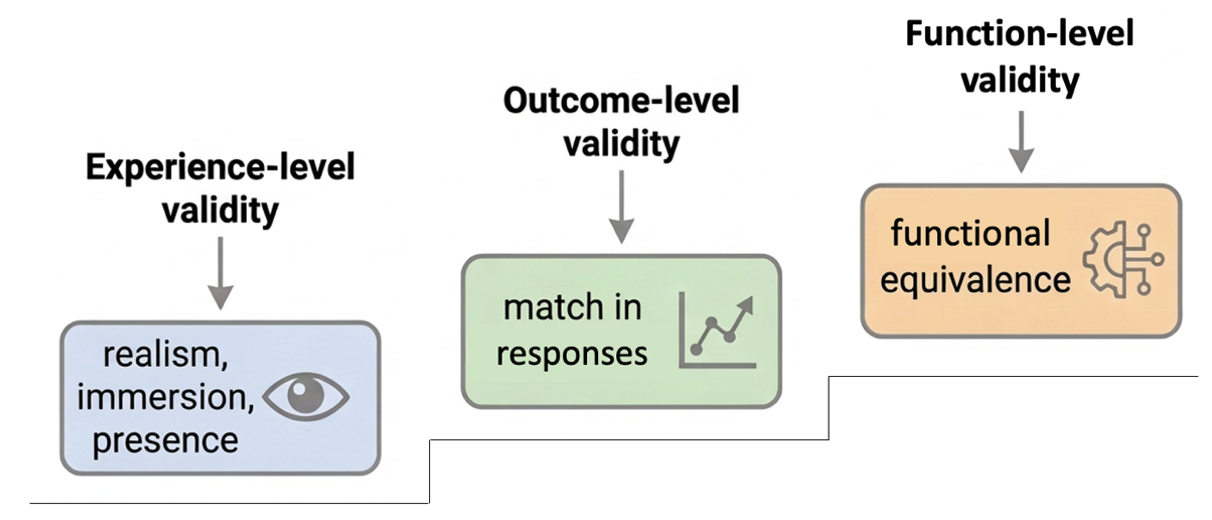
Employing VR to study high-risk social contexts. Meanwhile, I am reflecting on the validities of VR for behavioral research, and exploring new potentials (e.g., AI-generated immersive scenario).

A Validity beyond presence

Li, R., Knabe, M., Derakhshan, S., Arui, A.-K., & Van Gelder, J.-L. (R&R). Beyond immersion and presence: Rethinking validity in virtual reality criminology.

validitymechanismsVR criminology
Experience-level, outcome-level, and function-level validity in virtual reality research

B Scalable immersive scenarios

Li, R., et al. Scalable immersion? Validating AI-generated VR scenarios.

generative AIimmersive videoexperimental validation

C VR-Linked applications

Li, R., De Vries, R. E., Barnum, T., Herman, S., Tisdall, L., & Van Gelder, J.-L. A trait–state model of reactive guardianship: Psychological pathways to bystander intervention. Manuscript in preparation.

bystander interventiontrait-state modelsVR

D Formal modeling

van Lissa, C., Ballou, N., Li, R., et al. Self-determination theory: Theory specification. Manuscript in preparation.

Blogs

2025
The Soul of Science: On integrity in an age of pragmatic academia
As academia celebrates excellence via metrics, curiosity dims into deliverables, authorship inflates, and even Open Science and moral discourse risk becoming performative. In a system that rewards appearances, virtue turns strategic, and integrity becomes a fragile luxury. Read more
2024
How Situational Settings Influence Behavior: New Insights from Behavioral Research
We utilized well-established economic game paradigms to address a debated proposition in personality and social psychology. The implications of this research extend beyond academic circles, offering valuable insights to scholars studying human behavior and policy-makers aiming to nudge desired behaviors. Read more
2022
Recent Development in Personality Assessment
Explore the latest advancements in personality assessment, including new methodologies and their implications for research and practice. Read more
2021
Questionable Research Practices (QRPs) in Social Science Research
An examination of questionable research practices in social science, their consequences, and strategies for promoting research integrity. Read more in Chinese | Read more in English
2019
The Limitations of p-value and Bayesian Hypothesis Testing
An in-depth discussion on the limitations of p-value in hypothesis testing and the advantages of Bayesian approaches in statistical analysis. Read more in Chinese | Read more in English
2020
Big Data Analytics in Psychology and Management Research
Discover how big data analytics is transforming research in psychology and management, offering new insights and enhancing decision-making processes. Read more in Chinese | Read more in English
2020
AOM (Academy of Management) Conference Reflections
A reflection on the insights and experiences from the AOM 2020 Conference, highlighting key takeaways and their significance for management professionals. Read more in Chinese | Read more in English

Visualize

All analytical scripts, supplementary materials are available here:

Perspectives

A growing network of ideas

Perspectives and bridges

This map gathers perspectives I like across disciplines and traces the bridges I see between them.

Explore the map

Contact

Department of Criminology

Max Planck Institute for the Study of Crime, Security, and Law

Günterstalstraße 73
79100 Freiburg im Breisgau, Germany